Ranking Higher Starts Here: What to Expect from a Professional SEO Marketing Service
Search visibility depends on more than adding keywords to a website. A professional SEO marketing service looks at technical performance, content quality, search intent, website structure, authority, and the experience users have after they arrive.
For business owners, marketing managers, and ecommerce businesses, the purpose of SEO is to attract people who are actively searching for relevant products, services, or information. Good SEO work connects those searches with useful pages and a website that gives visitors a clear reason to stay.
A reliable SEO process also needs clear communication. Businesses should know what is being changed, why it is being changed, and how progress will be measured.
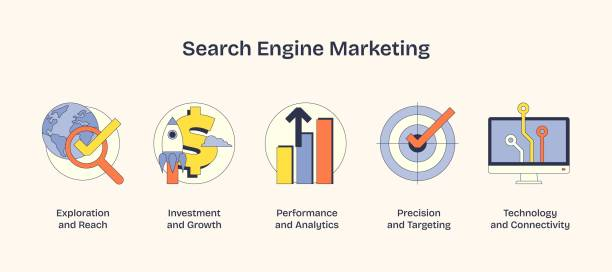
What a Professional SEO Marketing Service Covers
SEO is a collection of related activities rather than one single task. A professional campaign may involve technical reviews, keyword research, content planning, on-page improvements, off-page work, internal linking, performance tracking, and ongoing updates.
The right combination depends on the website, industry, competition, existing search visibility, and business goals. A new ecommerce website may need a different SEO plan from an established service business with hundreds of existing pages.
Technical SEO Starts With the Website Foundation
Technical SEO focuses on how search engines access, crawl, understand, and index a website.
A technical review may examine:
Crawlability
Indexing problems
XML sitemaps
Robots.txt
Broken links
Redirects
Duplicate URLs
Canonical tags
Mobile usability
Page loading performance
HTTPS
Website architecture
Structured data
Technical problems can make useful pages harder for search engines to discover or interpret. Fixing these issues creates a cleaner foundation for other SEO activities.
On-Page SEO Makes Each Page Easier to Understand
On-page SEO deals with elements that appear directly on a webpage or influence how its content is presented.
This includes page titles, headings, written content, URLs, internal links, images, metadata, and other page-level signals. The main goal is to make the subject of each page clear while providing useful information for visitors.
Keyword placement should feel natural. A page should not repeat the same phrase in every heading or paragraph simply to increase keyword frequency.
Keyword Research Should Start With Search Intent
Keyword research identifies the words and phrases people use to find information, products, and services. Professional SEO work goes further by examining why someone uses a particular search.
A phrase can have informational, commercial, navigational, or transactional intent. Understanding that difference helps determine which type of page should target the query.
Matching Keywords With the Right Pages
A keyword should be assigned to a page that can genuinely answer the searcher's need.
For example, an informational query may be better suited to an educational article, while a service-related query may need a dedicated service page. Ecommerce searches may require category or product pages.
This approach reduces keyword overlap and helps create a clearer website structure.
Search Intent | Suitable Page Type | Typical Purpose |
|---|---|---|
Informational | Blog or guide | Answer a question |
Commercial | Comparison or service page | Help with evaluation |
Transactional | Product or service page | Support an action |
Navigational | Brand or location page | Help users find a specific website or business |
Search Terms Should Reflect Customer Language
Keyword research should consider the language used by the intended audience rather than relying only on industry terminology.
For business owners, useful research may include service-related terms, questions, pricing searches, location-based phrases, and problem-focused queries. Ecommerce businesses may also need research around product categories, product features, comparisons, and buying terms.
The final keyword list should be organised by relevance and intent, not simply by search volume.
SEO Content Strategy Gives the Website a Clear Direction
Content is often the part of SEO that visitors notice most. A strong SEO content strategy focuses on answering useful questions and covering subjects that matter to the target audience.
Content should have a clear purpose. Some pages may attract informational searches, while others support product discovery, service research, or conversion.
Helpful Content Requires More Than Keywords
Good SEO content should provide direct answers, clear explanations, useful details, and logical structure.
A content plan can include:
Blog articles
Service pages
Product category pages
Product descriptions
FAQs
Comparison pages
Industry resources
Location pages
Educational guides
Each page should add something useful instead of repeating information already available elsewhere on the site.
Content Quality Supports Trust
Trust matters because visitors often judge a business by the quality of its website information. Poor grammar, outdated claims, unclear service descriptions, or thin pages can reduce confidence.
An E-E-A-T based approach considers experience, expertise, authoritativeness, and trust. These qualities can be supported through accurate information, clear authorship where appropriate, transparent business details, useful references, and regular content reviews.
For businesses operating in specialist industries, subject accuracy should receive particular attention.
Off-Page SEO Extends Beyond the Website
Off-page SEO focuses on signals and activities outside the website. Links from other relevant websites can help search engines understand that a site is referenced elsewhere on the web.
However, link building should focus on quality and relevance rather than collecting large numbers of low-quality links.
What Responsible Off-Page SEO Can Include
Off-page activities may involve:
Relevant backlink development
Digital PR
Business citations
Industry directories
Brand mentions
Content outreach
Publisher relationships
Link profile analysis
A professional SEO agency should be able to explain where links come from and why those sources are relevant.
Low-quality or manipulative link practices can create unnecessary risk. Businesses should ask about the methods being used instead of judging an SEO provider only by the number of backlinks reported.
Internal Linking Helps Organise Website Information
Internal links connect one page of a website to another page on the same domain. They help visitors discover related information and can help search engines understand the structure of the website.
A useful internal linking system connects pages based on topic and purpose. An article about ecommerce SEO, for example, could link to related resources about product page optimisation, technical SEO, and keyword research.
Anchor Text Should Describe the Destination
Anchor text should give users a clear idea of what they will find after clicking.
Generic phrases such as "click here" provide little context. Descriptive anchor text can be more useful when it fits naturally within the sentence.
Internal linking should also be reviewed as new content is published. Older relevant pages can often be connected to newer resources, helping create a stronger information structure.
Organic Traffic Growth Requires Measurement
Organic traffic growth should be evaluated using more than a single ranking position. Search visibility can change across hundreds or thousands of queries, and not every ranking produces valuable traffic.
An SEO campaign should connect search performance with website behaviour and business goals.
SEO Metric | What It Shows |
|---|---|
Organic impressions | How often pages appear in search |
Organic clicks | Visits generated from search |
Click-through rate | How often users select a search result |
Keyword positions | Ranking changes for tracked terms |
Organic sessions | Search traffic reaching the website |
Engagement metrics | How visitors interact with pages |
Conversions | Important actions completed by visitors |
Indexed pages | Pages available to search engines |
Backlinks | External websites linking to the domain |
Rankings Need Context
A ranking report should not be viewed in isolation. A page appearing for an irrelevant query may bring little value, while a page ranking for a smaller but highly relevant search may attract qualified visitors.
Performance reviews should therefore consider rankings, search queries, traffic, engagement, conversions, and page quality together.
What the SEO Process Usually Looks Like
A professional SEO campaign normally starts with research and assessment before major changes are made.
The process may then move through technical improvements, keyword mapping, content development, on-page work, off-page activities, and ongoing measurement.
Website Audit and SEO Research
The initial audit can identify technical problems, existing content opportunities, keyword gaps, internal linking issues, indexing concerns, and areas where competitors have stronger visibility.
This stage provides a baseline for future measurement.
Implementation and Content Updates
After research, SEO recommendations can be prioritised according to business needs and potential impact.
Changes may include updating page titles, improving content, fixing technical issues, restructuring navigation, creating new pages, strengthening internal links, or addressing gaps in keyword coverage.
Implementation should be based on evidence rather than making changes simply for the sake of activity.
Monitoring and Refinement
SEO requires ongoing observation because search results and websites change over time.
Monthly or regular reviews can identify pages that are gaining visibility, queries that are producing traffic, content that needs updating, and technical issues that have appeared since the previous review.
This makes SEO a continuing process rather than a one-time website adjustment.
What Business Owners Should Expect From an SEO Agency
Hiring an SEO agency involves more than handing over access to a website. Businesses should expect clear communication, measurable objectives, and explanations that are easy to follow.
A trustworthy provider should explain its methods instead of hiding behind technical terms.
Clear Reporting Makes SEO Easier to Evaluate
Reports should show meaningful information rather than a long list of numbers with no explanation.
A useful SEO report may include:
Work completed
Technical issues identified
Content published or updated
Ranking changes
Organic traffic trends
Search queries
Conversion data where available
Backlink activity
Priorities for the next reporting period
Reports should also distinguish between work completed and outcomes observed. SEO results can take time, and honest reporting should reflect that.
Avoid Providers That Promise Guaranteed Rankings
No legitimate SEO provider can control every factor that affects search results. Search engines use many signals, and rankings can change as algorithms, competitors, websites, and search behaviour change.
A provider that promises a guaranteed number-one position should be approached carefully.
A better discussion focuses on the work being performed, the evidence supporting the recommendations, the expected areas of improvement, and the metrics that will be monitored.
Trust Matters in the Client and Agency Relationship
SEO involves access to important parts of a business website and can influence content, technical settings, links, and marketing decisions.
That makes trust between the business and SEO provider essential.
What a Trustworthy SEO Provider Should Explain
Businesses should be able to ask:
What problems were found during the audit?
Which keywords are being targeted and why?
What content will be created or updated?
What technical changes are required?
What off-page methods will be used?
How will progress be measured?
Who owns the website content and accounts?
How often will reporting be provided?
What happens if a recommendation does not produce the expected result?
The idea of a fiduciary difference does not directly apply to ordinary SEO agencies in the same legal sense it may apply to certain professional financial relationships. For SEO, the practical trust standard is different: transparent advice, responsible methods, honest reporting, and decisions that are aligned with the client's stated goals.
Why a Long-Term SEO Plan Makes Sense
Search visibility usually develops through accumulated improvements rather than one isolated change.
Technical fixes can improve accessibility. Better keyword mapping can improve page targeting. Useful content can attract search traffic. Internal links can strengthen site structure. Relevant external references can support authority.
Each part should have a clear purpose.
For businesses considering professional SEO support, the Prime Marketing Experts website provides a place to review additional information about its marketing services.
SEO Should Support Business Goals
SEO should not operate separately from the rest of a marketing plan.
A business may want more product discovery, qualified enquiries, local visibility, stronger brand awareness, or increased organic traffic to important service pages. The SEO strategy should reflect those goals.
For ecommerce businesses, this may mean improving category and product visibility. For service businesses, it may mean building authority around specific services and informational topics.
The best SEO plan is therefore not simply a list of keywords. It is a structured plan for connecting relevant searches with useful website pages.
How to Assess an SEO Marketing Service Before Hiring
A business can ask several practical questions before selecting a provider.
Look for an SEO team that explains its process clearly, provides realistic expectations, and bases recommendations on website data and search intent.
Questions Worth Asking an SEO Provider
Consider asking:
Do you perform a technical SEO audit before making recommendations?
How do you conduct keyword research?
How do you decide which pages should target specific keywords?
What is your SEO content strategy?
How do you approach off-page SEO?
What SEO tools and reporting methods do you use?
How do you measure organic traffic growth?
How often will the strategy be reviewed?
Who owns the content and website accounts?
How do you handle changes that do not produce the expected outcome?
The answers can reveal how transparent and practical the provider's process is.
A Better Standard for Sustainable Search Visibility
Professional SEO is not simply about reaching a higher position for a handful of keywords. It is about building a website that search engines can understand and users can trust.
For business owners, marketing managers, and ecommerce businesses, a sound SEO plan should connect technical SEO, on-page SEO, off-page SEO, keyword research, content, internal linking, and performance measurement.
Prime Marketing Experts can use these principles to help businesses assess SEO work based on clear processes and useful outcomes. The focus should remain on relevant visibility, useful content, responsible optimisation, and measurable progress.
Businesses interested in discussing their website requirements can contact Prime Marketing Experts for further information.
Frequently Asked Questions
1. What does an SEO marketing service include?
An SEO marketing service may include technical SEO, keyword research, on-page SEO, off-page SEO, content planning, internal linking, website analysis, performance tracking, and ongoing optimisation. The exact services depend on the website and its business objectives.
2. How long does SEO take to improve organic traffic?
There is no fixed timeframe for SEO results. Progress can depend on website history, technical condition, competition, content quality, authority, search intent, and the amount of work implemented. Regular measurement helps identify changes and guide future improvements.
3. Why is technical SEO important for a website?
Technical SEO helps search engines access, crawl, and understand website pages. Issues involving indexing, broken links, page speed, mobile usability, redirects, or website structure can affect how effectively important pages are discovered and processed.
4. How can businesses choose a trustworthy SEO agency?
Businesses should review the agency's process, reporting standards, SEO methods, communication practices, and approach to content and link building. A trustworthy SEO provider should explain its recommendations clearly and avoid guarantees about specific search rankings.
5. What do Prime Marketing Experts provide as an SEO agency?
Prime Marketing Experts provides digital marketing services that can support businesses with SEO and related marketing needs. Businesses should review the agency's services and discuss their specific website goals before selecting an SEO plan.